
Does Delta 8 get you high?
There are many different reasons why people choose to add hemp-derived products to their wellness routine. Like THC, Delta-8 is a naturally occurring cannabinoid in
Understanding Cannabis as a medicine is no easy task. Most people have not been given the necessary information and facts that one needs to understand cannabis’s role as a medicine and for creating homeostasis within our bodies.
The endocannabinoid system (ECS) is a complex cell-signaling system identified in the early 1990s by researchers exploring THC, a well-known cannabinoid. Cannabinoids are compounds found in cannabis.
The ECS plays role in regulating a range of functions and processes, including:
The ECS exists and is active in your body even if you don’t use cannabis.
The ECS involves three core components: endocannabinoids, receptors, and enzymes. There are 12 organ systems in the human body: muscular, cardiovascular, lymphatic, nervous, respiratory, digestive, reproductive, integumentary ,skeletal, muscular, endocrine and The ECS.
The endocannabinoid system (ECS) plays a very important role in the human body for our survival. This is due to its ability to play a critical role in maintaining the homeostasis of the human body, which encompasses the brain, endocrine, and immune system, to name a few. ECS is a unique system in multiple dimensions. To begin with, it is a retrograde system functioning post- to pre-synapse, allowing it to be a “master regulator” in the body. Secondly, it has a very wide scope of influence due to an abundance of cannabinoid receptors located anywhere from immune cells to neurons. Finally, cannabinoids are rapidly synthesized and degraded, so they do not stay in the body for very long in high amounts, possibly enabling cannabinoid therapy to be a safer alternative to opioids or benzodiazepines. This paper will discuss how ECS functions through the regulation of neurotransmitter function, apoptosis, mitochondrial function, and ion-gated channels. The practical applications of the ECS, as well as the avenues for diseases such as epilepsy, cancer, amyotrophic lateral sclerosis (ALS), and autism, which have no known cure as of now, will be explored.
Endocannabinoids
Endocannabinoids, also called endogenous cannabinoids, are molecules made by your body. They’re similar to cannabinoids, but they’re produced by your body.
Experts have identified two key endocannabinoids so far:
The ECS has been linked to these functions and processes.
The other major cannabinoid found in cannabis is cannabidiol (CBD). Unlike THC, CBD doesn’t make you “high” and typically doesn’t cause any negative effects.
Experts aren’t completely sure how CBD interacts with the ECS. But they do know that it doesn’t bind to CB1 or CB2 receptors the way THC does.
Instead, many believe it works by preventing endocannabinoids from being broken down. This allows them to have more of an effect on your body. Others believe that CBD binds to a receptor that hasn’t been discovered yet.
While the details of how it works are still under debate, research suggests that CBD can help with pain, nausea, and other symptoms associated with multiple conditions.
What about endocannabinoid deficiency?
Some experts believe in a theory known as clinical endocannabinoid deficiency (CECD). This theory suggests that low endocannabinoid levels in your body or ECS dysfunction can contribute to the development of certain conditions.
A reviewing over 10 years of research on the subject suggests the theory could explain why some people develop migraines, fibromyalgia and IBS.None of these conditions have a clear underlying cause. They’re also often resistant to treatment and sometimes occur alongside each other.If CECD does play any kind of role in these conditions, targeting the ECS or endocannabinoid production could be the missing key to treatment, but more research is needed.
The Bottom Line
The ECS plays a big role in keeping your internal processes stable. But there’s still a lot we don’t know about it. As experts develop a better understanding of the ECS, it could eventually hold the key to treating several conditions.
Cannabigerol (CBG) and Cannabigerolic Acid (CBGA): medical benefits and research
What are CBG and CBGA?
Besides cannabidiol (CBD), one of the most popular forms of medical cannabis, another important compound CBG (cannabigerol), is regarded as the mother of all cannabinoids. Although CBG is found in smaller quantities, i.e., only 1% in cannabis plants, it has significant importance due to its acidic form CBGA (cannabigerolic acid), the parent compound of all other cannabinoids. Increasing research suggests that cannabigerol (CBG) has significant and unique health benefits.
How CBG and CBGA are made?
Young cannabis plants have cannabigerolic acid (CBGA), which undergoes enzymatic degradation and converts into three cannabinoids; tetrahydrocannabinolic acid (THCA), cannabidiolic acid (CBDA), and cannabichromenic acid (CBCA). The resulting acidic forms of these cannabinoids produce THC and CBD by a decarboxylation reaction catalyzed by light or heat.
The uses of CBG and CBGA
Since ongoing research reveals new benefits of CBG and CBGA, the market size and potential use of these compounds have also continued to grow exponentially.
Medical Benefits
In our body, CBG is processed by the Endocannabinoid System (ECS), which regulates various functions and processes such as sleep, appetite, mood, memory, production, and fertility. Endocannabinoids bind the receptor and trigger a signaling cascade that performs the required action. Enzymes of ECS destroy these cannabinoids after the completion of targeted activity. When in the body, CBG imitates endocannabinoids and exhibits a wide array of health
As the cannabinoid market surges, the therapeutic value of hundreds of cannabinoids is coming to light. It is their potential to impact the quality of life of many patients. Investors benefit from the ability to participate in an industry currently gaining enormous momentum.
Which is better, CBD or CBG?
Though CBG, CBD, and THC are all derivatives of CBGA, only THC can cause the psychological effects of “getting high.” Both CBG and CBD are non-psychoactive.
However, the main difference between CBG and CBD is the health benefit profiles that each therapy offers. As mentioned before, CBG is known to increase appetite. In contrast, CBD reduces appetite and aid in weight loss.
A scientific aspect that differentiates CBG from CBD is how they work. CBG works directly on cannabinoid receptors within the brain, while CBD works indirectly on the endocannabinoid system within the brain. You may argue that CBG has a more powerful, direct effect than CBD.
Promotes Pain Relief
This significant health benefit has sparked a renewed interest in the pharmaceutical industry towards the molecular chemistry of CBG.
CBG powerfully targets transient receptor potential (TRP) channels, which are well-known to be linked to pain perception. By regulating pain perception, CBG can promote analgesia without making you high.
Support the Destruction of Cancer Cells
Appetite Stimulation
CBG may improve appetite by increasing how often hunger sets in, with minimal side effects.
Oxidative stress can damage the immune system, cause early cell death, and activate cancer cells. By neutralizing oxidative stress, CBG can help promote the death of cancer cells.
Prevent Bladder Dysfunction
Recent research found five different endocannabinoids receptor on the bladder that takes part in bladder muscle contraction. The same study regarded CBG as a future tool in urology that can inhibit muscle contractions and helps prevent several bladder dysfunctions
Lower Intraocular Pressure
CBG bind endocannabinoid receptor in the eye where it reduces intraocular pressure by increasing aqueous humor outflow. The ability of CBG to reduce intraocular pressure culminates into its potential therapeutic use in glaucoma.
Appetite Stimulation
CBG may improve appetite by increasing how often hunger sets in, with minimal side effects
What are the CBN and CBNA?
Other than the two most popular cannabinoids, THC and CBD, researchers have found more than 200 rare cannabinoids in the cannabis plant. Initial research proved these rare cannabinoids to be more potent than THC and CBD. These rare cannabinoids are different from each other in terms of their effects and medicinal benefits. One of these important rare cannabinoids is CBN which is also known as “sleep” cannabinoid. CBN is found in older cannabis plants in a minimal concentration.
Cannabinolic acid (CBNA) is an acidic form of cannabinol as well as its precursor cannabinoid. CBNA is expected to have benefits similar to CBN.
All cannabinoids exhibit their effect by binding the endocannabinoid system (ECS) of the body. Cannabinol was considered an inactive cannabinoid during the initial stages of its discovery. Later on, the researchers found cannabinol to have twice a lower affinity for CB1 receptors and three times higher affinity for CB2 receptors than THC.
Due to the higher affinity of cannabinol for the CB2 receptor, its effect on the immune system is more than the CNS.
CBN and its precursor compound show the following medicinal effects.
Antibacterial
CBN studies found it to be a potent antibacterial agent. Researchers found CBN to be a potent antibacterial agent against MRSA bacteria resistant to traditional antibiotics. Perhaps CBN may be used to fight off antibiotic-resistant bacterial infections in the future.
Reduce intraocular pressure
CBN may also be helpful to treat glaucoma. A study found that both CBN and THC reduce intraocular pressure. This study is a base to treat patients with glaucoma. However, because the research is in the early stages, we can’t predict if cannabinoids such as CBN and THCV could effectively replace traditional glaucoma treatments.
Appetite Stimulation
THC is a well-known appetite stimulant but is often avoided due to its intoxicating effects. A recent study in rats suggested CBN as an appetite stimulant as it increased the amount of food that rat subjects ate. However, CBN’s appetite stimulation effect is still to be strengthened by more research.
Neuroprotective effect
The effects of CBN/CBNA on the brain and nervous system have also been investigated for its potential in neurological conditions. By protecting the brain from oxidative stress, CBN can promote movement in conditions like amyotrophic lateral sclerosis (ALS)
What is THCA? Medical benefits and
effects of Tetrahydrocannabinolic Acid
What is THCA?
The cannabis plant contains hundreds of components that are called cannabinoids. These cannabinoids are present in varying concentrations in a cannabis plant. While many cannabinoids are in use by humans for decades, recent research found some rare cannabinoids, including THCA. THCA (Tetrahydro cannabinolic acid) is a non-psychoactive cannabinoid found in cannabis. THCA is often confused with THC, which is well-known for its due to its intoxicating nature that gets you high.
The principle of action of THCA on the human body
Each cannabinoid binds to a specific endocannabinoid system receptor and produces a different effect. THCA does not bind the CB1 receptor, one of the endocannabinoid system receptors, due to its large and three-dimensional shape. The 3-D shape due to an extra carboxylic group prevents THCA from producing intoxicating effects. Other than CB1 and CB2 receptor, it binds enzymes involved in the cyclooxygenase pathway. Various medical benefits of THCA are attributed to its binding affinity for tumor necrosis factor-alpha (TNF-alpha) and cytokines such as interleukin 10 (IL-10).
Anti-inflammatory effect
Studies have found the importance of THCA in combating inflammation and various inflammatory conditions such as lupus, irritable bowel syndrome, arthritis, and Crohn’s Disease. THCA effects including COX-1 and COX-2 pathways and reduce the production of inflammatory mediators.
Antiemetic effect
An animal study compared the antiemetic properties of THCA to THC. The study suggested that THCA showed a more potent antiemetic property than THC. Therefore, THCA can be used to combat nausea and vomiting side effects of chemotherapy. Research has shown that TCHA can help increase appetite and support digestion.
Neuroprotective properties
Various studies suggested THCA as an effective neuroprotectant cannabinoid. The potential neuroprotective effect of this compound is due to the activation of the PPARγ receptor. This cannabinoid can help protect against the progression of neurodegenerative diseases like multiple sclerosis, Parkinson’s disease, and Alzheimer’s disease.
Anti-cancerous effect
The research focused on the impact of THCA on prostate cancer. The evidence of this research suggested that THCA has the potential to inhibit the proliferation of cancerous cells. It can enhance immune defense and promote cancer cells’ destruction, which sparked new research.
THCA vs. THC
Tetrahydro cannabinolic acid is a non-psychoactive compound that produces THC on drying. The structural changes in THCA occur due to heat, light, or the process of decarboxylation. These processes remove a carboxylic acid group of atoms from THCA and alter its structure. This decarboxylation of THCA yields THC, which has a perfect shape to fit in the endocannabinoid system (ECS) and produce its euphoric effect.
THCA possesses medical benefits almost similar to THC, but unlike THC, this compound does not get you high.
What are THCV and THCVA?
Tetrahydrocannabivarin (THCV) is one of the 113 cannabinoids found within the cannabis plant and is a structural analog to its well-known counterpart, tetrahydrocannabinol (THC). THCV or Tetrahydrocannabivarin is a minor phytocannabinoid found in lower concentrations than the more common phytocannabinoids CBD and THC. Tetrahydrocannabivarin acid (THCVA) is the precursor of THCV.
The uses of THCV and THCVA
Recent research found several potential health benefits associated with THCV. These benefits have increased the demand for THCV- products in the cannabis industry. A few prominent medical services of THCV includes
Obesity
According to a study, low THCV doses can suppress appetite by antagonizing the CB1 receptors. These findings suggested the potential use of THCV in the treatment of obesity. The study also confirmed that THCV has no risk of side effects- depression, anxiety, and insomnia- commonly associated with anti-obesity drugs. THCV defend against chemotherapy-induced nausea and vomiting by regulating the body’s GI reaction to chemical particles.
Epilepsy
THCV possesses an anticonvulsant property that suggests its use to reduce seizures in epileptic patients. This minor cannabinoid is significantly reducing seizure incidences in an in vitro model induced with epileptic activity.
Diabetes
A study published in Diabetes Care suggested that CBD and THCV can help maintain tighter glycemic control in patients with type 2 diabetes. Research also found that moderate to high THCV doses ranging between 10 and 20 milligrams can regulate blood sugar levels and reduce insulin resistance.
Parkinson’s Disease
Antioxidant property of THCV helps treat symptoms associated with Parkinson’s disease. THCV can also effectively delay neurodegeneration in Parkinson’s disease.
Schizophrenia
THCV acts on the endocannabinoid system, which ultimately results in enhanced serotonin receptors. Therefore, THCV can manage the negative, cognitive, and positive symptoms of schizophrenia.
Osteoporosis
Recent research found the benefit of THCV in osteoporosis and other bone disorders. THCV helps grow new bone cells and promotes bone growth.
Synthesis of Cannabinoids
Cannabinoids are naturally occurring compounds found in the Cannabis sativa plant. The two most well-known cannabinoids are CBD and THC, which form the entire industry. In addition to those, scientists have already discovered hundreds of cannabinoids. Only a few of them have an intoxicating effect; most cannabinoids, in contrast, offer various health benefits. As the popularity grows and clinical trials commence, new potential uses are continually being discovered.
However, many cannabinoids are challenging to isolate from the Cannabis sativa plant due to their rare nature. Specialists referred to them as rare cannabinoids, and many of them offer unique properties, applications, and benefits. Exploring these rare compounds has led to endless possibilities for consumer and medicinal applications.
Potential benefits of cannabinoids
The human body contains different cannabinoid receptors that help regulate critical processes, including learning, memory, neuronal development, appetite, digestion, inflammation, overall mood, sleep, metabolism, and pain perception. This considerable involvement of cannabinoid receptors, critical to many physiological systems, underscores their potential as pharmaceutical targets.
Pharmacology
Pharmacological research has uncovered several medical uses for cannabinoids, which bind to cannabinoid receptors. They’ve been shown to help with pathological conditions such as pediatric epilepsies, glaucoma, neuropathic pain, schizophrenia, and have anti-tumor effects, and promote the suppression of chemotherapy-induced nausea. This ongoing research is becoming more prevalent and can potentially uncover therapeutic uses for an array of cannabinoids.
Food and cosmetic industries
In addition to the medical field, other prominent sectors have adopted the use of cannabinoids. There is an increasing demand for cannabinoids in inhalable, food, and hygienic and cosmetic products. Veterinary services for cannabinoids are also prevailing. The use of naturally occurring cannabinoids reduces the need for synthetic alternatives that may produce harmful off-target effects.
Chemical synthesis
Chemical synthesis is the creation of compounds through artificial means by a chemical reaction. The chemical synthesis of rare cannabinoids has become the leading method for the production of these rare, high-value compounds. However, chemical synthesis leads to the production of non-naturally occurring forms of these cannabinoids, which can have unwanted side effects. To overcome the large gap in the supply chain, reduce the environmental footprint, decrease the time of production, circumvent regulatory oversight, and produce high-quality cannabinoids with the exact chemical structures as naturally occurring cannabinoids
What are THCV and THCVA?
Tetrahydrocannabivarin (THCV) is one of the 113 cannabinoids found within the cannabis plant and is a structural analog to its well-known counterpart, tetrahydrocannabinol (THC). THCV or Tetrahydrocannabivarin is a minor phytocannabinoid found in lower concentrations than the more common phytocannabinoids CBD and THC. Tetrahydrocannabivarin acid (THCVA) is the precursor of THCV.
The uses of THCV and THCVA
Recent research found several potential health benefits associated with THCV. These benefits have increased the demand for THCV- products in the cannabis industry. A few prominent medical services of THCV includes
Obesity
According to a study, low THCV doses can suppress appetite by antagonizing the CB1 receptors. These findings suggested the potential use of THCV in the treatment of obesity. The study also confirmed that THCV has no risk of side effects- depression, anxiety, and insomnia- commonly associated with anti-obesity drugs. THCV defend against chemotherapy-induced nausea and vomiting by regulating the body’s GI reaction to chemical particles.
Epilepsy
THCV possesses an anticonvulsant property that suggests its use to reduce seizures in epileptic patients. This minor cannabinoid is significantly reducing seizure incidences in an in vitro model induced with epileptic activity.
Diabetes
A study published in Diabetes Care suggested that CBD and THCV can help maintain tighter glycemic control in patients with type 2 diabetes. Research also found that moderate to high THCV doses ranging between 10 and 20 milligrams can regulate blood sugar levels and reduce insulin resistance.
Parkinson’s Disease
Antioxidant property of THCV helps treat symptoms associated with Parkinson’s disease. THCV can also effectively delay neurodegeneration in Parkinson’s disease.
Schizophrenia
THCV acts on the endocannabinoid system, which ultimately results in enhanced serotonin receptors. Therefore, THCV can manage the negative, cognitive, and positive symptoms of schizophrenia.
Osteoporosis
Recent research found the benefit of THCV in osteoporosis and other bone disorders. THCV helps grow new bone cells and promotes bone growth.
There are many different reasons why people choose to add hemp-derived products to their wellness routine. Like THC, Delta-8 is a naturally occurring cannabinoid in
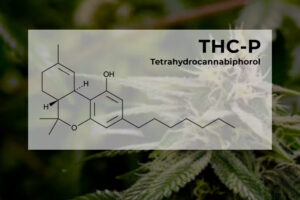
THC-P is brand new, and found to be immensely powerful, and much stronger than Delta 8 and regular THC. THC-P is a psychoactive hemp derivative.
“Cannabinoids can be found in plants (phytocannabinoids), human and animal bodies (endocannabinoids) or be synthetically produced (synthetic cannabinoids). They are a class of hydrophobic chemical

You must be over the age of 21 to visit this site.