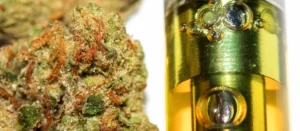
Does Delta 8 get you high?
There are many different reasons why people choose to add hemp-derived products to their wellness routine. Like THC, Delta-8 is a naturally occurring cannabinoid in

Move over THC, we’ve got some new cannabinoids ready to step into the spotlight! THC tends to be the star of the show when it comes to talking about cannabinoids and their potential effects. However, in recent years, CBD has been hot on its tail with other cannabinoids starting to join the ranks to reveal even deeper medicinal properties of cannabis. So let’s take it back to our early alphabet days and learn our CBD’s!
Let’s start first with, what the heck is a cannabinoid anyway? Cannabinoids are the chemical compounds produced by the cannabis plant. Cannabinoids are also produced in the human body by our endocannabinoid system that helps maintain internal balance. Phytocannabinoids produced by the cannabis plant bind to cannabinoid receptors in our own endocannabinoid system which impact our experiences with pain, appetites, metabolism, stress, reward and motivation systems and even cardiovascular function. Check out this article to get into the nitty gritty details of the endocannabinoid system!

THC (Delta-9-tetrahydrocannabinol ) is the main cannabinoid that we all know and love. THC is the primary intoxicating cannabinoid creating the psychoactive “high” experience. When THC binds to the CB1 and CB2 receptors in our endocannabinoid system, we experience the euphoria and cerebral high associated with THC.
When combined with other cannabinoids like CBD, the therapeutic and healing properties of THC are actually improved.

Tetrahydrocannabivarin (THCV) is relatively unknown with much less research being done to discover its characteristics. One point of curiosity for researchers is THCV’s beneficial effects appear only in lower doses. Some potential therapeutic uses of THCV include anticonvulsant properties, anti-inflammatory properties, appetite suppressant and glucose regulator, bone growth stimulant and neuroprotective properties for conditions like Parkinson’s disease.
The biggest challenge of THCV, especially considering its very impactful medicinal properties, is that it is not naturally produced in high concentrations in most strains of cannabis. Until more research has been done and it becomes more readily available, look for full-spectrum cannabis products that include THCV. Some of the most common strains that contain notable amounts of THCV include Durban Poison and GSC.
Tetrahydrocannabinolic acid (THCA) is the raw form of THC found in the cannabis plant. For example, if you were to eat a raw cannabis bud, you’d only be ingesting THCA that is produced in the cannabis trichomes and you would not experience intoxication. However, when exposed to heat through decarboxylation, it becomes the intoxicating cannabinoid THC.

Delta 8 THC is a degraded form of the most common Delta 9 THC. When Delta 9 THC is stored for long periods of time, it can degrade to Delta 8 THC. This means that the psychoactive effect is significantly less while still helping with appetite stimulation, reducing nausea and pain relief. Be aware that when ingested, Delta 8 THC edibles may still produce psychoactive effects.
Unlike THC, Cannabidiol (CBD) does not connect with the CB1 receptors in your endocannabinoid system so it does not produce the same intoxicating effects. CBD has extensive benefits for relieving emotional stress and pain. This includes its ability to create calmness by inhibiting the absorption of anandamide, an endocannabinoid that helps regulate the body’s natural state of equilibrium. CBD possesses anti-inflammatory properties and can aid with falling and staying asleep by easing pain and anxiety.

The effects of CBD are heavily dependent on the dosage. In smaller dosages, CBD can be energizing, creating feelings of wakefulness and alertness. In higher dosages, CBD can be more sedative and relaxing. Additionally, CBD can actually help counteract the intoxicating effects of THC by regulating the cannabinoid activity in the brain, particularly the paranoia effects that THC can bring about. So the next time the edibles hit you harder than usual, a large dose of CBD can help mitigate any paranoia or anxiety.
CBN or cannabinol, is the cannabinoid that forms when THC ages. Though CBN does not have sedative properties on its own, it can have a very sedative effect when combined with THC. Products combining CBN and THC may be helpful for those with insomnia. CBN can also help with glaucoma symptoms, stimulate appetite and work as an antibacterial.
CBG is non-pschoactive but packs a powerful punch of therapeutic effects. Research has show CBG to have anti-inflammatory properties and acts as a neuroprotectant. Additionally, it’s been shown to promote neurogenesis, or the regrowth of brain cells. CBG can also help relieve intraocular pressure due to glaucoma, act as an antibacterial, help with skin conditions and help regulate stress and emotions. What can’t this one do?!
Like many of the cannabinoids above, CBC has beneficial antibiotic properties and can help with infections that may be resistant to other treatments. Additionally, CBC when combined with THC can help with relieving pain, reducing inflammation and boost mood.
Combining different cannabinoids can enhance each of their unique qualities through the entourage effect. Here are a few products we recommend that utilize multiple cannabinoids for managing the symptoms of stress and anxiety, chronic pain or for overall daily wellness.
Polite actively utilizes the full spectrum of cannabinoids in their tinctures and disposable vape pens. Check out their combinations like Ease Your Mind designed to take the edge off stress and anxiety of our day to day. Try Relief Aid for a daily dose to help manage chronic pain. Other combinations include Power Up, Daily Defense, and Rest Well, all made with unique and specific combinations of cannabinoids to create the desired effect.
There are many different reasons why people choose to add hemp-derived products to their wellness routine. Like THC, Delta-8 is a naturally occurring cannabinoid in
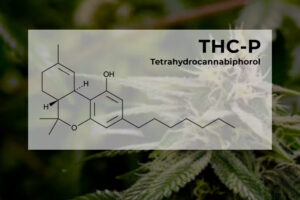
THC-P is brand new, and found to be immensely powerful, and much stronger than Delta 8 and regular THC. THC-P is a psychoactive hemp derivative.
“Cannabinoids can be found in plants (phytocannabinoids), human and animal bodies (endocannabinoids) or be synthetically produced (synthetic cannabinoids). They are a class of hydrophobic chemical


